Skip to content

Who I help / Breadwinners

There is a number. Almost nobody has run it.

How much your household needs, for how many years, minus what is already covered. It is arithmetic, not a sales pitch, and you are entitled to see it whether or not you buy anything.

Free · About 5 minutes · No obligation

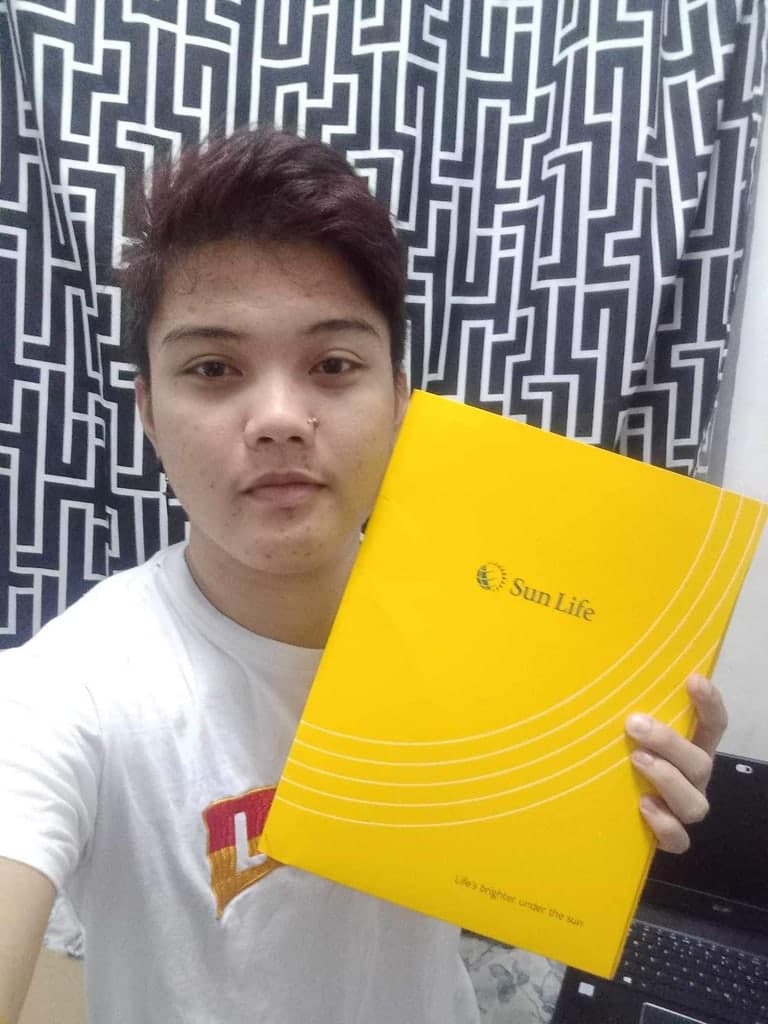
A client at home holding the Sun Life folder containing her new policy

WHAT THE SURVEY FINDS

What the survey turns up when one income carries a household

  1. 01

    The number has never been calculated

    What the household spends, how many years it still needs supporting, what debt would transfer, minus what SSS and your employer already pay. That produces one figure. Most breadwinners have never seen theirs, and are protecting a guess.

  2. 02

    The cover you hold was sized for a different life

    It was bought when you were single, or before the second child, or before the mortgage. Nobody revisited it. Your obligations moved. The policy did not move with them.

  3. 03

    Your debt has a beneficiary and it is not you

    Loans do not evaporate. They transfer, to the exact people you were working to protect, and they arrive at the worst possible week of those people’s lives. Almost nobody counts their debt when they estimate what their family would need.

  4. 04

    The runway has never been measured

    Ask how many months the savings would cover the household and the honest answer is usually a shrug, or a number that turns out to be optimistic by half. It is measurable in about a minute, and it changes what we plan for.

AFTER THE SURVEY

What actually changes

You get the number. Not a rule of thumb, not ten times your salary, but the figure that falls out of your own answers: what the household runs on, for how long, minus what is already in place. Then we build inside a monthly amount you set yourself, one you could carry for ten years without resenting it. Sometimes the arithmetic says plain term insurance, which is the cheapest way to buy a large amount of cover and the option that pays me least. When it says that, that is what I recommend.

WHAT GETS DRAWN

Six things a plan can hold. You will not need all six.

Which of these end up in your drawing is decided by what the survey turns up, not by what I would like to sell.

  • Income protection

    If your income stopped, this is what keeps the rent paid and the tuition current while the household works out what happens next. For a breadwinner it is the first thing we size and the last thing we cut.

  • Health protection

    Critical illness and hospitalisation cover that pays on diagnosis. The whole point is that the money arrives before the bills do, so nothing has to be sold in a hurry at the worst possible time.

  • Retirement planning

    Run your actual SSS figure and most people go quiet for a moment. This is the fund that closes the distance between that number and the life you had been quietly assuming.

  • Education planning

    Tuition arrives on a date you already know and it does not negotiate. Funding it deliberately is the difference between a plan and a scramble.

  • Investment planning

    Long term, pointed at a goal you can say out loud. Not a tip, not a flip, and not something you feel you have to check every morning.

  • Existing policy review

    Bring whatever you already own, from any company. I will read it properly and tell you what it does, what it does not, and whether it is worth keeping. Frequently it is, and that conversation costs you nothing.

SAID OUT LOUD

Breadwinners, honestly

How much cover does a breadwinner actually need?

The common rule of thumb is ten to fifteen times annual income, and a rule of thumb is just a guess in a suit. The real figure depends on how many years your dependents still need supporting, what debt would transfer to them, and what SSS and your employer already provide. That is the arithmetic the assessment does, and it is precisely why I will not quote you a number before you have filled it in.

I can only afford a small premium. Is it even worth it?

Yes, and this is where term insurance earns its keep. Pure term buys the largest amount of cover per peso, and for a breadwinner on a tight budget it is very often the right answer, even though it is the one that pays me least. Buy what you need now and upgrade later. Underinsured beats uninsured by an enormous margin.

BEGIN

Start with what you already have.

Rodel Hermogenes reads every answer himself before you speak. It is free, it takes about 5 minutes, and it ends with a session booked at a time you pick.

  • Free, and free of any obligation to buy
  • Private. Your answers are not shared or sold
  • Ends with a plan, even when it ends without a policy
Start the free assessment

Free. About 5 minutes. No obligation.